Choosing the right cross-platform framework is one of the most important technical decisions you will make for a mobile product. It affects development speed, performance, long-term maintenance, hiring, scalability, and even user experience.
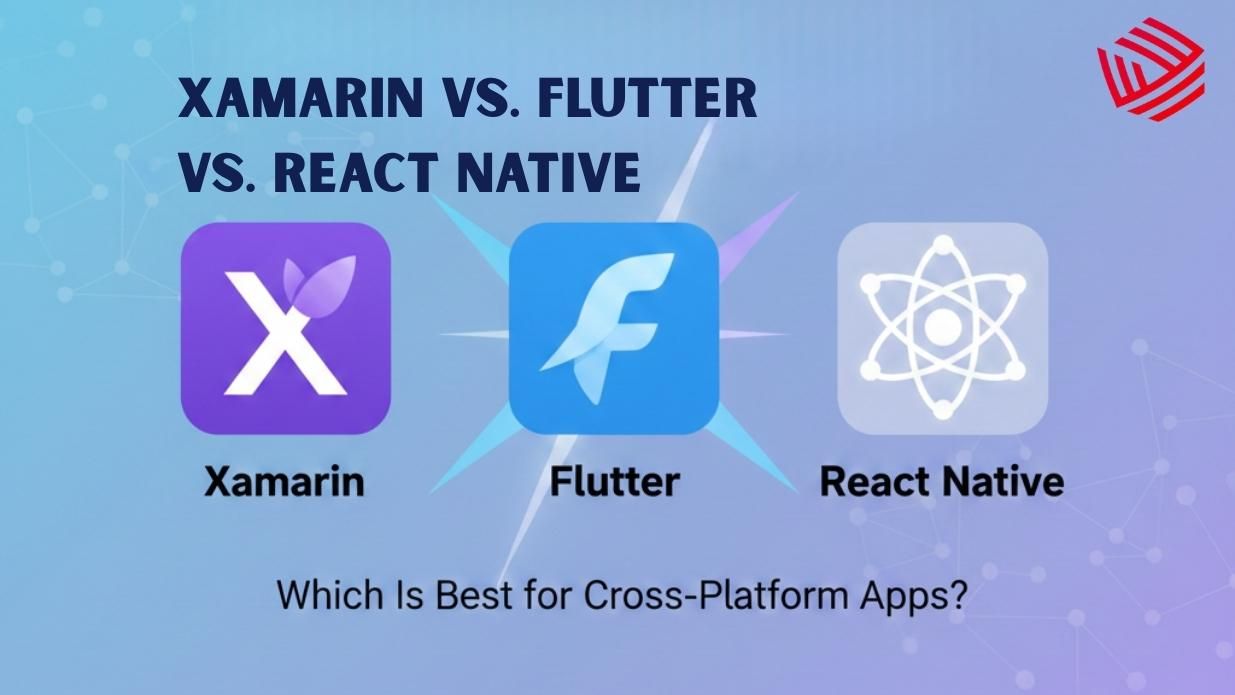
In 2026, three names still dominate this conversation: Xamarin, Flutter, and React Native.
I’ve worked with teams that built healthcare apps, eCommerce platforms, internal enterprise dashboards, and startup MVPs using all three technologies. Each one has strengths. Each one has trade-offs. And none of them is “perfect” for every situation.
This guide will not give you hype. It will give you clarity.
By the end, you’ll understand which framework fits your project, your team, and your future roadmap.
What Does Cross-Platform Really Mean in 2026?
Before comparing technologies, let’s simplify the idea.
A cross-platform framework allows you to write one codebase and deploy it to multiple platforms like:
- Android
- iOS
- Sometimes web and desktop
Instead of building two separate native apps (Swift for iOS and Kotlin for Android), you reuse most of your code.
The benefits are obvious:
- Faster development
- Lower cost
- Easier maintenance
- Smaller teams
But the deeper question is this: How close does the framework feel to true native performance and design?
That’s where the real differences appear.
Understanding the Three Contenders
Let’s understand each framework clearly before comparing them.
Xamarin in 2026
Xamarin was originally developed to allow C# developers to build mobile apps using .NET. Over the years, it evolved and became deeply integrated into Microsoft’s ecosystem. Today, it operates within the broader .NET and MAUI ecosystem.
With Xamarin, developers use C# and .NET to build apps for Android and iOS.
How Xamarin Works
Xamarin provides bindings to native APIs. That means your app can access platform-specific features directly. You can also share business logic across platforms while maintaining native UI components if needed.
Where Xamarin Still Shines
Xamarin works very well in enterprise environments. If a company already uses:
- .NET backend
- Microsoft Azure
- C# development teams
Then Xamarin becomes a natural extension.
I’ve seen banks and internal enterprise platforms choose Xamarin because their entire backend stack was already in .NET. Hiring was easier. Code sharing between backend and mobile was smoother.
Where Xamarin Feels Limited
However, in 2026, Xamarin does not dominate startup culture. Its community growth is slower compared to Flutter and React Native.
UI customization can feel heavier. Build times can be longer. And the developer ecosystem is not as energetic as newer frameworks.
It is stable. But it is not always the most exciting choice.
Flutter in 2026
Flutter, backed by Google, has grown significantly. It uses Dart as its programming language and renders its own UI using a custom rendering engine.
This is a major difference.
Flutter does not rely on native UI components. Instead, it draws everything itself.
How Flutter Works
Flutter uses a widget-based architecture. Every UI element is a widget. It compiles to native ARM code and delivers near-native performance.
Because it controls rendering, UI consistency across platforms is extremely strong.
Why Developers Love Flutter
In real-world projects, Flutter stands out for:
- Fast UI development
- Hot reload speed
- Beautiful animations
- Strong performance
In one startup project I worked on, we built a complete food delivery app in under four months using Flutter. The UI customization was smooth. The design team loved how closely we could match their mockups.
Where Flutter Can Be Challenging
Dart is not as popular as JavaScript or C#. Some developers hesitate to learn it.
Also, because Flutter controls its own UI rendering, apps may not always feel 100% native in subtle platform-specific behaviors unless carefully designed.
But in 2026, Flutter is mature, stable, and production-ready.
React Native in 2026
React Native, backed by Meta, allows developers to build mobile apps using JavaScript and React concepts.
It uses native components but controls them through a JavaScript bridge (now significantly improved in newer architecture versions).
How React Native Works
You write code in JavaScript (or TypeScript). React Native maps your components to real native UI components.
This gives apps a more “native feel” compared to frameworks that render everything themselves.
Why React Native Is Popular
React Native remains very strong because:
- JavaScript is widely known
- Huge community
- Strong third-party ecosystem
- Fast hiring pool
For startups building MVPs, React Native is often the first choice because web developers can transition quickly.
I’ve seen SaaS companies launch both web and mobile products using shared React knowledge, which speeds up development significantly.
Where React Native Struggles
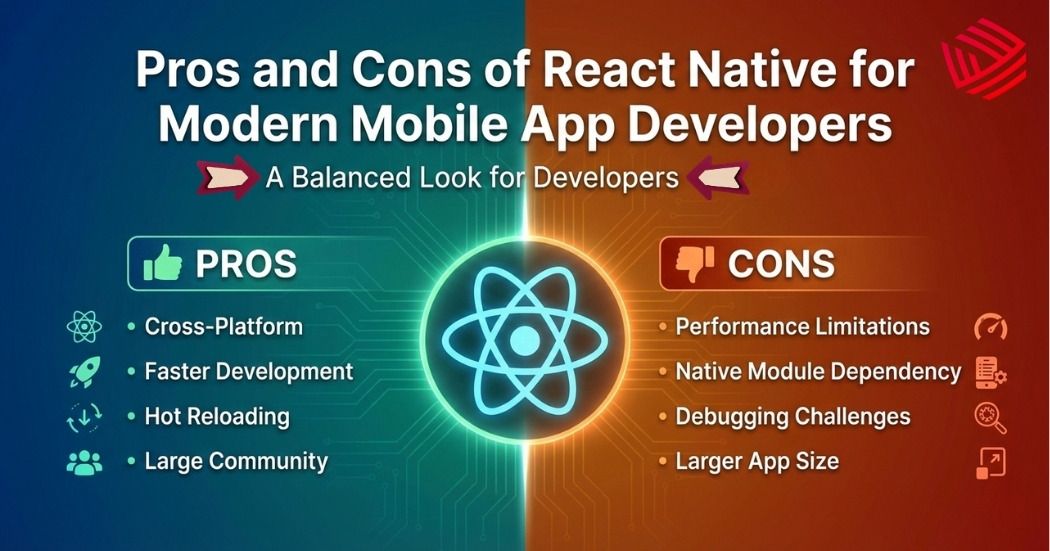
Performance can be an issue for very complex apps with heavy animations or gaming-level graphics.
Also, managing native modules sometimes requires platform-specific coding knowledge.
Still, React Native in 2026 is far more optimized than early versions.
Performance Comparison: What Feels Fast?
Performance depends on app complexity.
For Basic Business Apps
All three frameworks perform well.
Forms, dashboards, APIs, eCommerce flows — no noticeable lag for users.
For High-Performance UI Apps
Flutter often wins because it controls rendering directly and avoids bridge delays.
For Enterprise Apps
Xamarin performs strongly due to deep native API access and strong .NET optimizations.
For Real-World Use
In most business apps, users cannot tell whether the app is built with Flutter, React Native, or Xamarin.
Performance differences matter mostly in highly complex, animation-heavy apps.
Development Speed and Team Efficiency
This is where business decisions are made.
If Your Team Knows C#
Xamarin is efficient. There is no need to retrain developers.
If Your Team Knows JavaScript
React Native gives immediate productivity.
If You Want a Fresh Modern Stack
Flutter provides fast UI iteration and strong developer satisfaction.
In one project, we had both React developers and backend Java developers. We chose React Native because onboarding was faster. That saved hiring costs.
In another design-heavy project, Flutter helped us achieve pixel-perfect UI without fighting native inconsistencies.
The best framework often depends on your team’s skills, not just technical benchmarks.
UI and Design Flexibility
This is where Flutter stands out.
Because it renders everything itself, designers get full control.
React Native relies on native components, so UI consistency depends on platform.
Xamarin supports native UI but may require more manual effort for advanced customization.
If branding and animation are central to your product, Flutter often feels more flexible.
Community and Ecosystem Strength
In 2026:
- React Native has the largest JavaScript ecosystem.
- Flutter has a rapidly growing and energetic community.
- Xamarin has a stable but smaller ecosystem.
When building real products, third-party libraries matter. Authentication, payments, analytics, push notifications — these integrations should be smooth.
React Native and Flutter often have more updated plugins and community solutions.
Long-Term Maintenance
Maintenance is often ignored at the beginning.
But think 3–5 years ahead.
Ask yourself:
- Will this framework still evolve?
- Will hiring developers be easy?
- Will updates break my app?
React Native and Flutter have strong backing and momentum.
Xamarin remains stable but is increasingly aligned with the broader .NET MAUI direction.
For startups planning rapid scaling, React Native or Flutter may feel safer long-term.
Real Business Scenarios
Let’s simplify with real examples.
Scenario 1: Enterprise Banking App
Backend: .NET
Team: C# developers
Security: Critical
Best choice: Xamarin
Reason: Seamless integration with .NET ecosystem.
Scenario 2: Startup MVP with Web Team
Backend: Node.js
Team: React developers
Budget: Limited
Best choice: React Native
Reason: Faster hiring and shared knowledge.
Scenario 3: Design-Heavy Consumer App
Animations: Important
Branding: Critical
UI: Custom
Best choice: Flutter
Reason: UI flexibility and performance.
Learning Curve
React Native is easiest for web developers.
Flutter requires learning Dart but is simple once understood.
Xamarin requires strong C# knowledge.
For beginners, Flutter documentation in 2026 is extremely beginner-friendly.
Cost Considerations
Development cost depends on:
- Team skillset
- Project complexity
- Time to market
Cross-platform frameworks reduce cost compared to native apps.
However, if your app eventually requires heavy native optimization, additional cost may appear later.
Planning correctly avoids rework.
Security and Stability
All three frameworks support:
- Secure API communication
- Encryption
- Platform-specific security features
Security depends more on implementation than framework choice.
Which Is Best in 2026?
There is no universal winner.
If I had to summarize:
- Choose Xamarin for enterprise .NET environments.
- Choose React Native for web-focused teams and fast MVPs.
- Choose Flutter for performance and custom UI experiences.
The best framework is the one that aligns with your team, timeline, and business model.
Final Thoughts
Technology decisions should reduce risk, not increase it.
In 2026, Xamarin, Flutter, and React Native are all capable of building high-quality production apps.
Instead of asking “Which one is best?”, ask:
- What does my team know?
- What does my product need?
- What will scale with my company?
Start with clarity, not trends.
That’s how smart products are built.