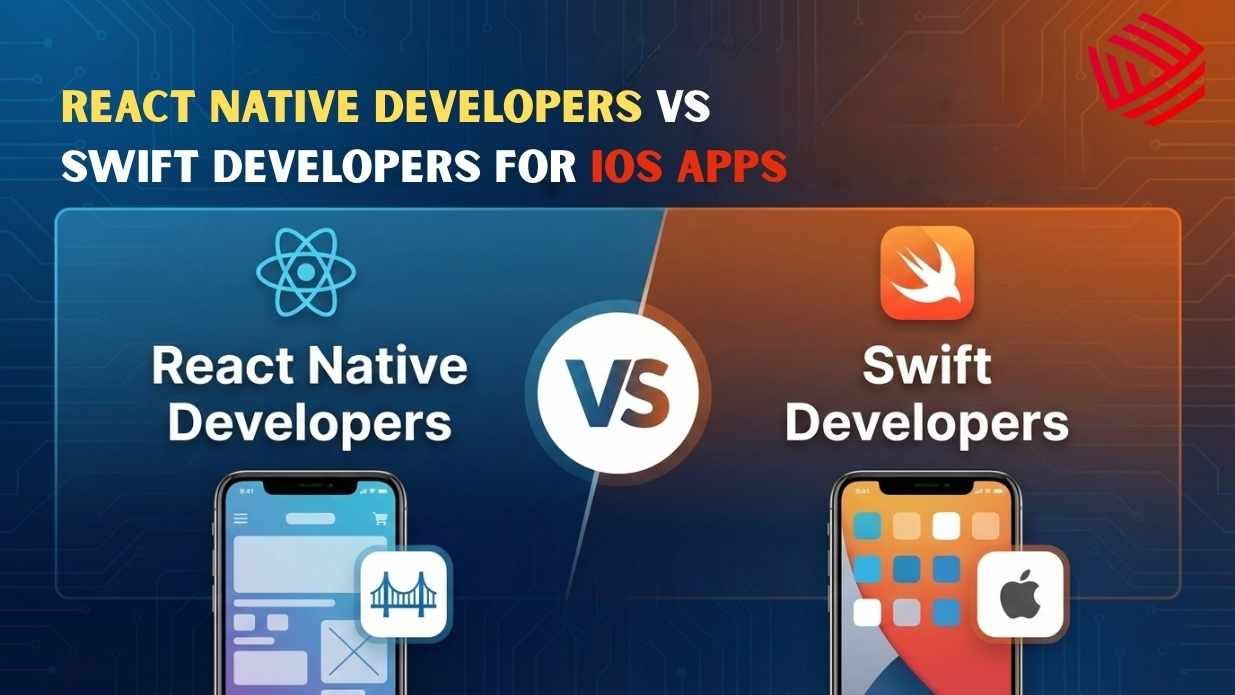
Building a successful iOS application is no longer just about having a good idea. The technology stack and the type of developers you choose play a major role in performance, user experience, scalability, and long-term maintenance. For businesses and startups alike, one common dilemma stands out: should you hire React Native developers or Swift developers for iOS apps?
Both options are widely used, trusted, and capable of delivering high-quality applications. However, they follow very different development approaches. React Native focuses on cross-platform efficiency, while Swift is built specifically for Apple’s ecosystem. Understanding these differences is essential before making a decision that could impact your product for years.
This article provides a clear, unbiased comparison of React Native developers vs Swift developers for iOS apps. It is written for founders, product managers, and developers who want practical guidance—not marketing hype.
Understanding the Development Approaches
What React Native Developers Bring to iOS Development
React Native developers build mobile applications using JavaScript and React, with the ability to share a large portion of code across iOS and Android platforms. Instead of writing separate apps for each operating system, they maintain a single codebase that interacts with native components.
For iOS apps, React Native developers rely on Apple’s native UI elements while handling logic in JavaScript. This approach emphasizes speed, flexibility, and cost efficiency, especially for teams managing multiple platforms.
What Swift Developers Offer for iOS Apps
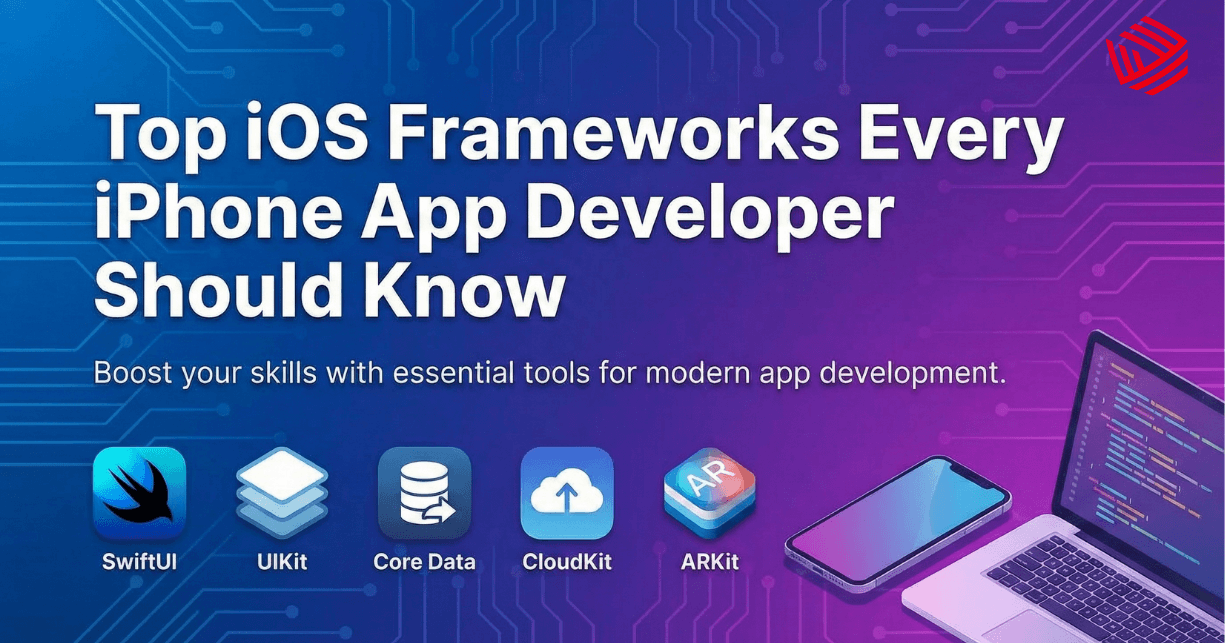
Swift developers work directly with Apple’s native programming language, designed specifically for iOS, iPadOS, watchOS, and macOS. Swift integrates deeply with Apple frameworks such as UIKit, SwiftUI, and Core Data.
This direct connection allows Swift developers to access the latest iOS features immediately, optimize performance at a granular level, and deliver highly polished Apple-first experiences.
Learning Curve and Developer Skill Requirements
React Native Developer Skill Set
React Native developers typically come from a web development background. They are comfortable with JavaScript, React concepts, and component-based architecture. Many can transition into mobile development without starting from scratch.
However, for advanced iOS features, React Native developers often need some knowledge of native Swift or Objective-C. This hybrid skill requirement can be both a strength and a challenge.
Swift Developer Expertise
Swift developers focus entirely on Apple platforms. Their skill set includes native APIs, memory management, Apple design guidelines, and platform-specific optimization.
While the learning curve is steeper, Swift developers usually have deeper control over the iOS environment, which can be critical for complex applications.
Performance Comparison for iOS Apps
React Native Performance on iOS
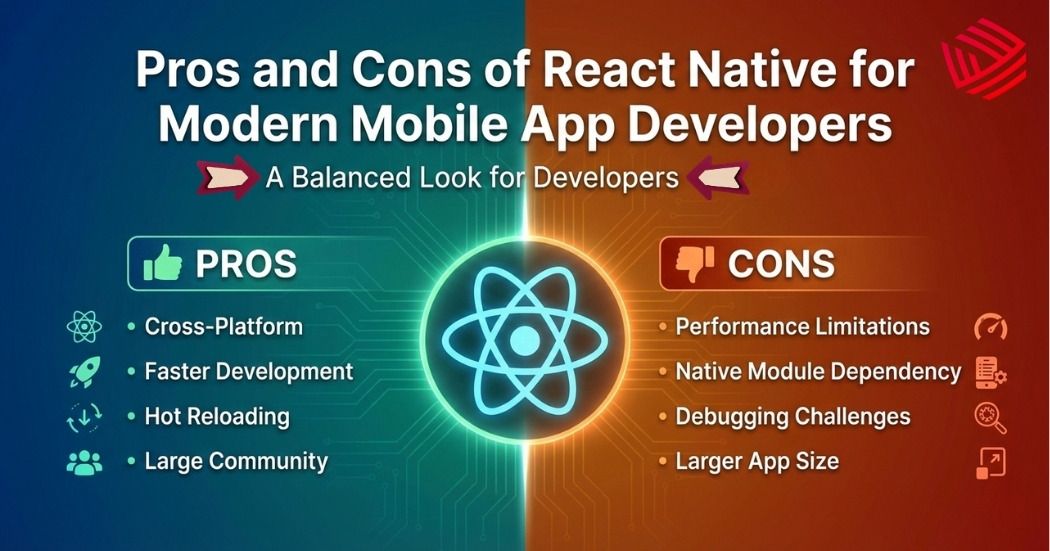
React Native delivers strong performance for most business applications, including e-commerce, social platforms, and productivity tools. Since it uses native UI components, the user experience feels close to fully native apps.
That said, React Native introduces an additional layer between the app logic and the native system. For highly demanding tasks such as advanced animations or heavy real-time processing, performance tuning may require native Swift code.
Swift Performance Advantages
Swift apps run directly on the iOS runtime without intermediaries. This results in faster execution, smoother animations, and better handling of complex tasks, especially when Building App Animations that demand high frame rates and precise control.
For performance-critical applications, such as gaming, media editing, or hardware-intensive apps, Swift developers often have a clear advantage.
Development Speed and Time to Market
Speed with React Native Developers
One of the strongest advantages of React Native developers is faster development. Shared codebases reduce duplication, allowing teams to build and deploy features quickly.
For startups and MVPs, this speed can be the difference between launching early or missing market opportunities.
Swift Development Timelines
Swift development typically takes longer because iOS apps are built separately from Android apps. However, this additional time often results in more refined platform-specific experiences.
For long-term, iOS-focused products, the extra development time can be a worthwhile investment.
Cost Considerations
Cost Efficiency with React Native
Hiring React Native developers is often more cost-effective, especially when building apps for both iOS and Android. Fewer developers can manage multiple platforms, reducing overall expenses.
Maintenance costs can also be lower due to shared logic and unified updates.
Cost of Swift Development
Swift developers are specialized professionals, and their rates can be higher. Additionally, separate Android development increases overall project cost if multi-platform support is required.
However, for iOS-only applications, Swift development can be cost-efficient in the long run due to fewer workarounds and better optimization.
User Experience and Interface Design
UI Consistency in React Native Apps
React Native supports consistent UI across platforms, which is useful for brand-focused applications. With proper customization, iOS apps can still follow Apple’s design standards.
However, achieving pixel-perfect iOS behavior may require extra effort and native adjustments.
Swift and Native iOS Experience
Swift developers work directly with Apple’s design systems. This results in apps that feel fully aligned with iOS expectations, including gestures, animations, and accessibility features.
For premium user experiences, Swift often sets the benchmark.
Access to iOS Features and Updates
React Native developers sometimes need to wait for community support or build custom bridges to access new iOS features. This can delay adoption of the latest Apple updates.
Swift developers gain immediate access to new APIs and tools, making them ideal for apps that rely on cutting-edge iOS capabilities.
Scalability and Long-Term Maintenance
React Native apps scale well when code quality and architecture are well managed. However, dependency management requires careful oversight to avoid technical debt.
Swift apps benefit from Apple’s long-term ecosystem stability. Updates are generally smoother, and fewer third-party dependencies reduce long-term risk.
Hiring and Talent Availability
React Native developers are widely available due to the popularity of JavaScript and React. Hiring is often faster and more flexible.
Swift developers are more specialized. While demand is high, finding experienced Swift talent may take longer, especially for complex projects.
Best Use Cases for Each Option
When to Choose React Native Developers
- MVPs and startups
- Cross-platform business apps
- Budget-conscious projects
- Rapid prototyping
When to Choose Swift Developers
- iOS-only applications
- Performance-critical apps
- Apps using advanced Apple features
- Premium consumer experiences
Security Considerations
Both approaches can be secure when best practices are followed. React Native projects must carefully manage third-party libraries, while Swift apps rely more on Apple’s native security frameworks.
Security ultimately depends on development discipline rather than the language alone.
Final Verdict: Which Is Better for iOS Apps?
There is no universal winner in the debate between React Native developers vs Swift developers for iOS apps. The right choice depends on your goals, budget, timeline, and long-term vision.
React Native developers excel in speed, flexibility, and cost efficiency, making them ideal for cross-platform products. Swift developers offer unmatched performance, deeper iOS integration, and long-term stability for Apple-focused applications.
By aligning your project requirements with the strengths of each approach, you can make a confident, future-ready decision that supports both business growth and user satisfaction.